Music
Paul McCartney’s First No. 1 Solo Hit Marked Late Wife Linda’s First Professional Recording

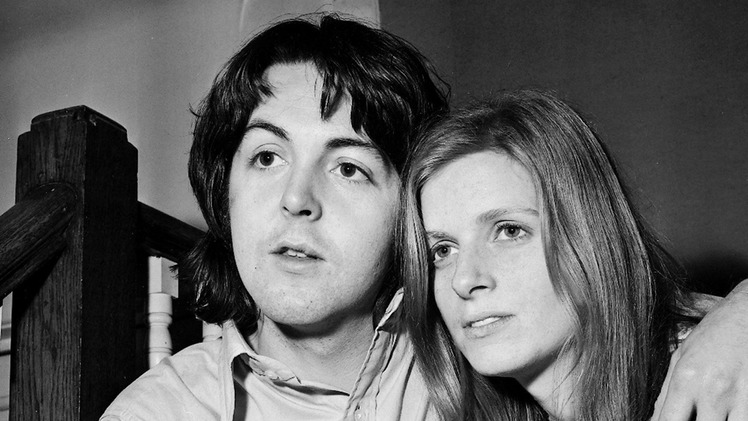
Paul McCartney is behind some of the biggest songs in music history, but the story of how his first post-Beatles No. 1 came together is surprisingly unconventional.
“Uncle Albert/Admiral Halsey,” from Paul and late wife Linda McCartney‘s 1971 album Ram, may sound meticulously put together, but the sprawling track was actually born from different unfinished musical ideas that were cleverly stitched together in the studio.
The man tasked with making it all work was engineer Eirik Wangberg, who worked alongside McCartney on Ram and revealed some of the tricks behind the song in a 2005 interview that has recently resurfaced.
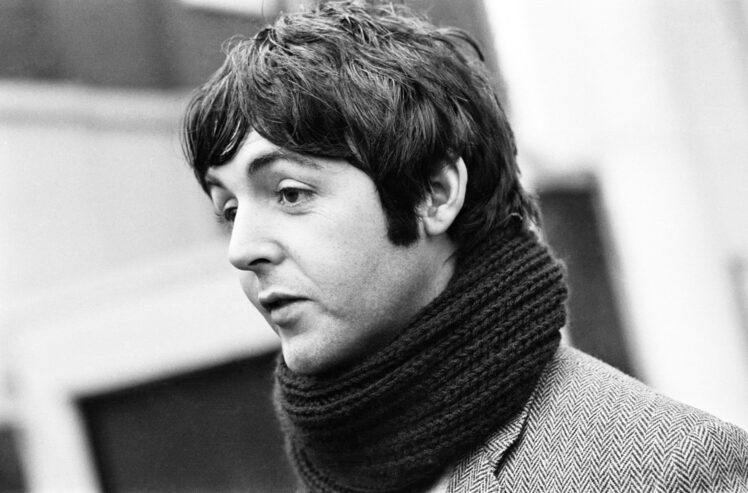
“The main bulk of the track was recorded in New York,” Wangberg explained, revealing of the different musical sections, “I clipped them all together.”
It wasn’t just the melodies that required some studio magic. Wangberg was also behind the dramatic thunderstorm that rolls through the track — and creating it was far less straightforward than simply pressing play on a sound effect.
“For this sound, I used a mono track which I got from a film studio, recorded it over twice and made an artificial stereo out of it,” he recalled.
Wangberg admitted he was “particularly proud” of the result, while revealing the song was also ahead of its time in another way.
“If you check the song out it was one of the first recordings where the synthesizers were used on the vocals,” he said. “Listen to it carefully: it sounds like the choir was done beneath the water!”
The recording also marked Linda’s first time singing in a professional studio, adding another piece of McCartney history to the unlikely hit.

Even its title had an unusual origin. Paul later revealed that Uncle Albert was inspired by his real-life uncle, Albert Kendall, while Admiral Halsey was an imaginary figure representing authority.
Somehow, all those seemingly mismatched pieces worked.
“Uncle Albert/Admiral Halsey” climbed to No. 1 on the Billboard Hot 100 on September 4, 1971, becoming McCartney’s first post-Beatles single to top the U.S. chart — and turning an experiment pieced together in the studio into one of his earliest solo triumphs.