Celebrity News
Classic Comedy Duo Stan Laurel and Oliver Hardy Were Like Brothers Despite Onscreen Antics

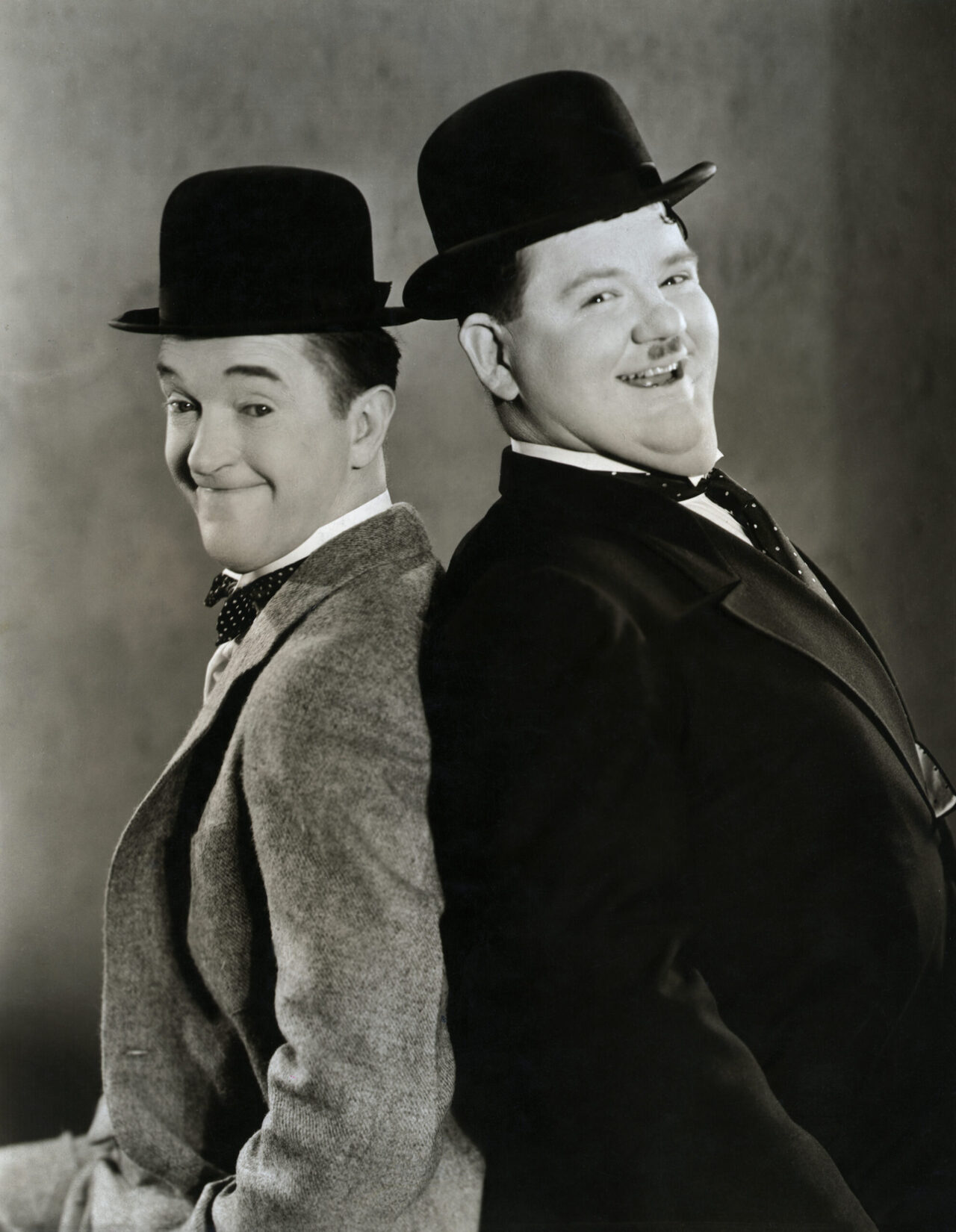
There was no “I” in Laurel & Hardy.
“People don’t just laugh at Laurel & Hardy — people love Laurel & Hardy,” biographer Randy Skretvedt told Closer. “And the reason we love them is because they loved each other so much.”
Unlike other comedy teams such as Bud Abbott & Lou Costello and Dean Martin & Jerry Lewis, Stan Laurel and Oliver Hardy felt no ill will for each other on or offscreen. In their classic slapstick films, “they were these two kindred souls, children who never quite grew up, united against the cold, harsh world,” Skretvedt said. And in real life, “they actually became better friends over the 30 years of their partnership.”
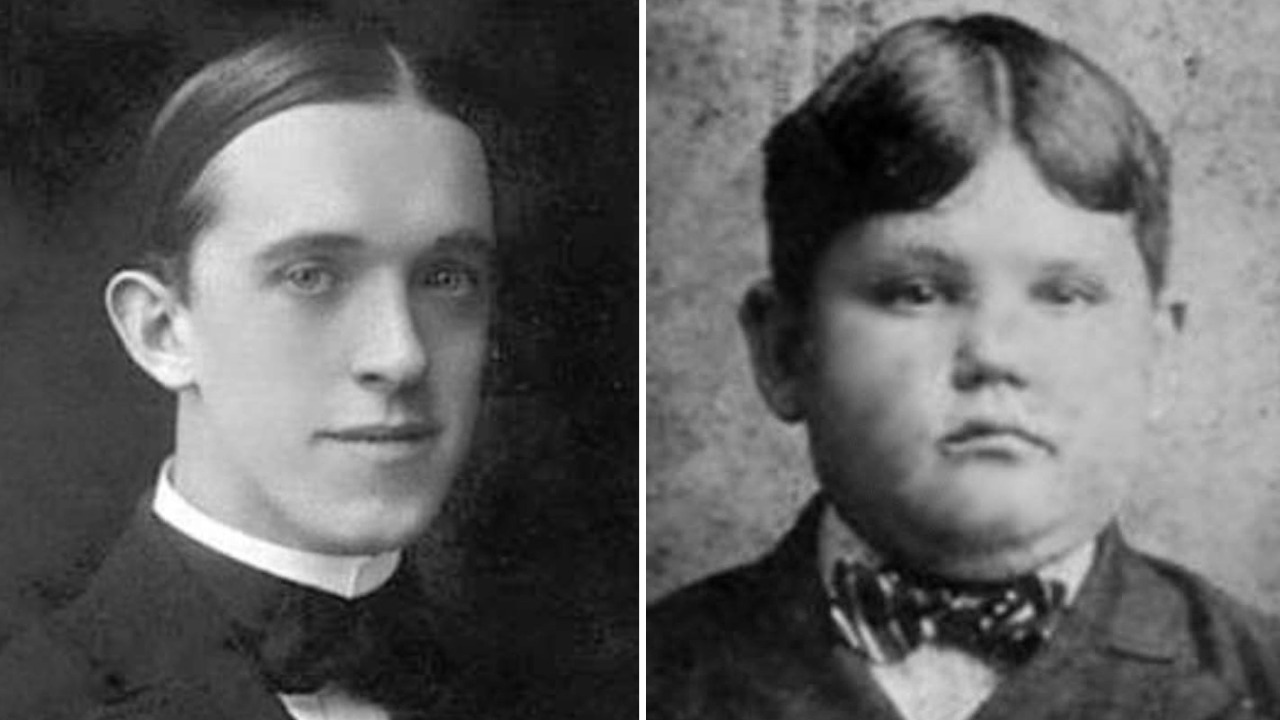
It took them quite a while to form that team. Laurel was raised by a theatrical family in England, while Hardy grew up as the son of a hotel manager mom in small-town Georgia.
Both found their way into films. In the first film in which both men appeared, the 1921 short The Lucky Dog, Hardy played a robber who steals from Laurel. Five years later, they started to appear in more films together, and Our Gang producer Hal Roach paired them up. “Every other comedy team came to movies from some other medium — Broadway, vaudeville or radio,” said Skretvedt. “But you can see Laurel & Hardy create the team on film.”
Behind the scenes, the two comedians took very different approaches to their work. “Stan was always more active in terms of writing, directing and editing,” Skretvedt added. “Oliver was happy to go home at 5 p.m. and golf.” As a result, Stan got paid almost twice as much as Oliver — $3,500 vs. $2,000 a week in 1934 — but they were together 30 years and reportedly never had an argument.
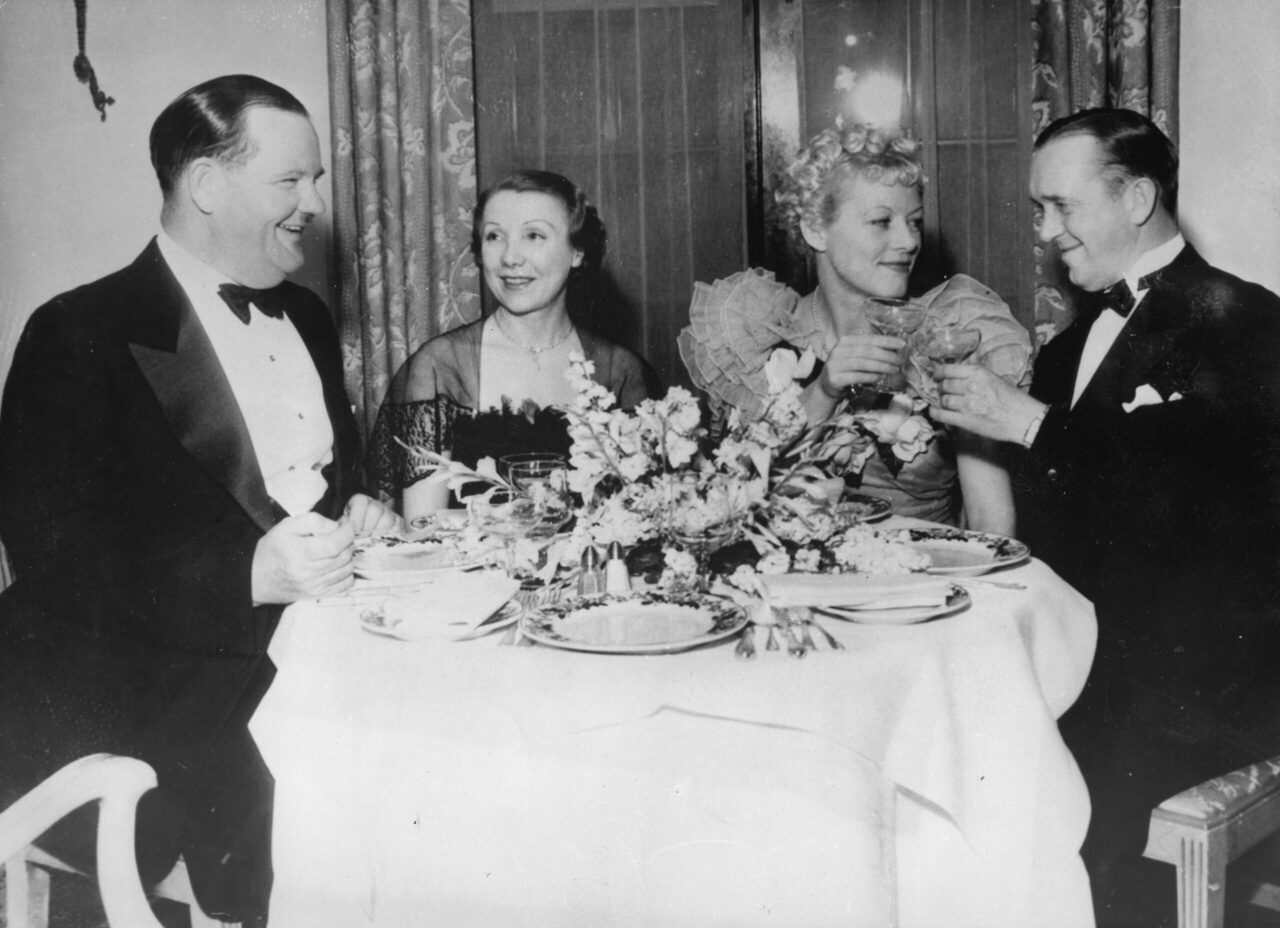
They weren’t so lucky in their love lives. Laurel and Hardy endured multiple divorces before finding happiness with Ida and Lucille, their fourth and third wives, respectively. Laurel doted on his daughter, Lois, while Hardy “was 48 years old when he finally found marital bliss and possibly felt he was getting a bit old to be a father,” biographer Michael Ehret told Closer.
Laurel and Hardy had a vibrant screen career, starring in The Music Box, the first live-action short to win an Oscar, and in such hit features as Way Out West and Babes in Toyland (aka March of the Wooden Soldiers). After they quit making films in the ’50s, they toured Europe and cemented their friendship.
They supported each other through health struggles. Hardy, who had battled weight and heart problems, lost 150 pounds on an all-beets diet, but suffered a stroke afterward, in 1956. Near the end of his friend’s life, “Stan would communicate with him in mime, because Oliver was no longer able to speak,” Skretvedt said. Laurel had a stroke of his own and was unable to attend Hardy’s funeral in 1957. Still, he was devastated by his partner’s death and told fans whose letters he answered he would not continue performing if Hardy couldn’t be with him.
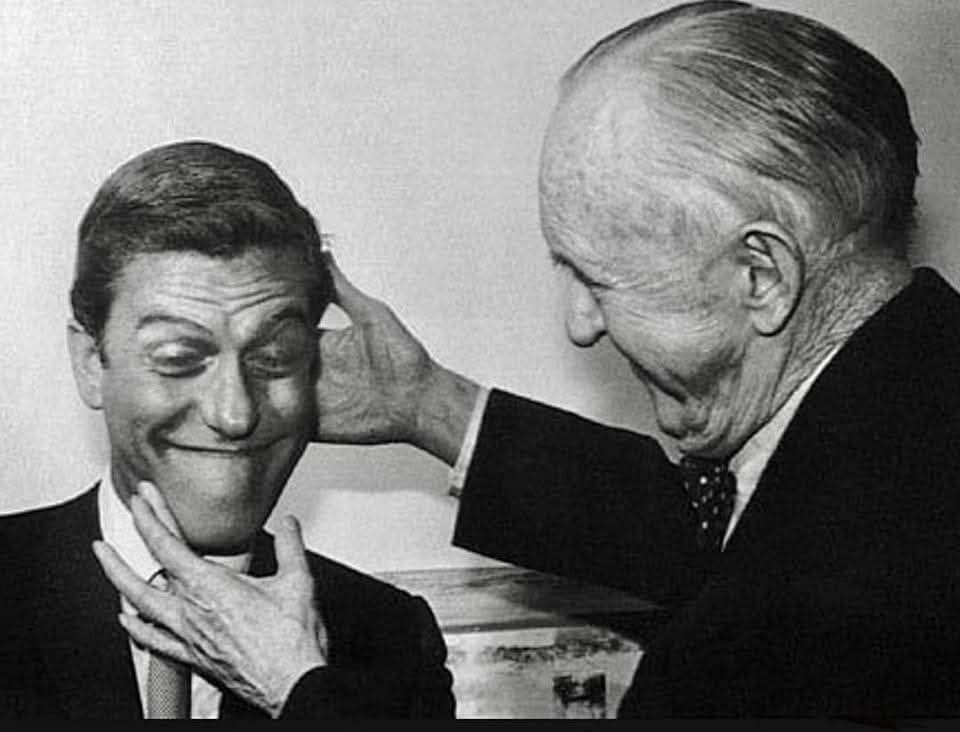
Laurel lived out his final years happily with Ida in a Santa Monica, California, apartment. Lifelong fan Dick Van Dyke found his address in the phone book and befriended him — one of many admirers who cited Laurel & Hardy as comic influences. (Others included Johnny Carson, Dick Martin and Tim Conway.) Plus, “The Honeymooners’ Norton and Kramden are very much like Laurel & Hardy,” Skretvedt said. “Even Lucy and Ethel have their Laurel & Hardy moments.”
Their bond endures on film to this day. “That indelible friendship is something people respond to,” Skretvedt said. “It wouldn’t have worked if there wasn’t real affection between these two men. You can’t fake that — the camera doesn’t lie.”