Celebrity News
Inside Country Icon Johnny Cash’s Passionate and Turbulent Romance With Longtime Love June Carter

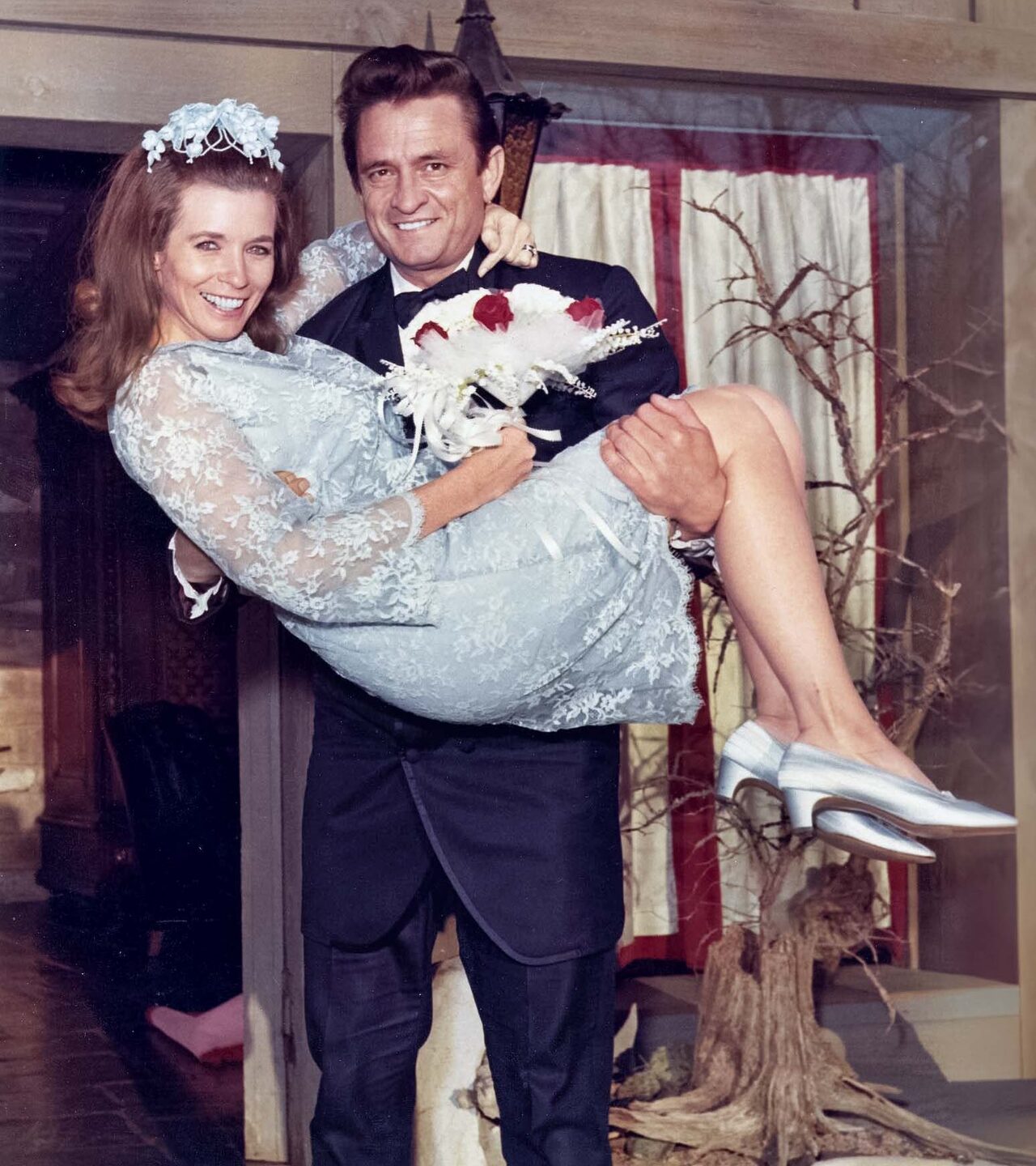
Sparks flew when Johnny Cash first gazed upon June Carter backstage at the Grand Ole Opry in 1956. The eyes of the married man in front of her were as black and shiny as agates, she once recalled, and her fascination with them both worried and stirred her.
“I only glanced into them,” she wrote in an essay, per the Official Elvis Presley Fan Page of Australia, of that moment, “because I believed that I would be drawn into his soul and I would never have been able to walk away.”
Ultimately, she never did. “They met their match when they came together,” Country Music Hall of Fame and Museum editor Michael McCall told Closer. Their union, which lasted until June’s death in 2003, was a roller-coaster ride of extreme highs and lows, fueled by Johnny’s battles with depression and drugs.
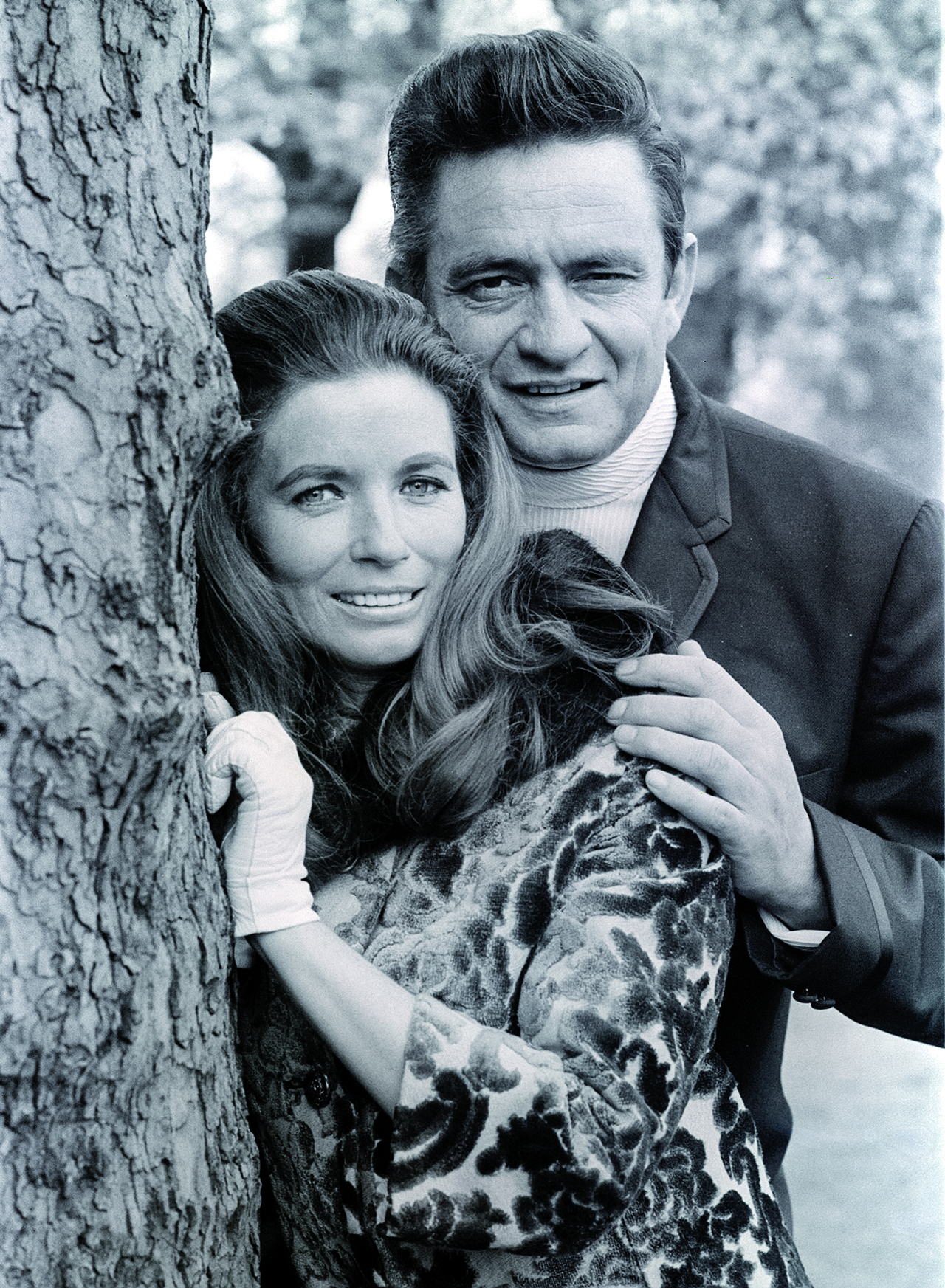
New insights into one of music’s greatest romances are revealed in Johnny Cash: Forever Words, an album co-produced by Johnny and June’s only son, John Carter Cash, 56. It features songs from artists and friends such as Kris Kristofferson and Willie Nelson, as well as from daughters Rosanne Cash and Carlene Carter, all inspired by long-lost written material the “Man in Black” left behind.
“These love letters, poems and now songs give us an inside look at one of the most intense and storied American love affairs,” Jewel, another musician on the album, told Closer. The songs, she adds, speak to “the good, the bad and the complexity that Johnny Cash always represented.”
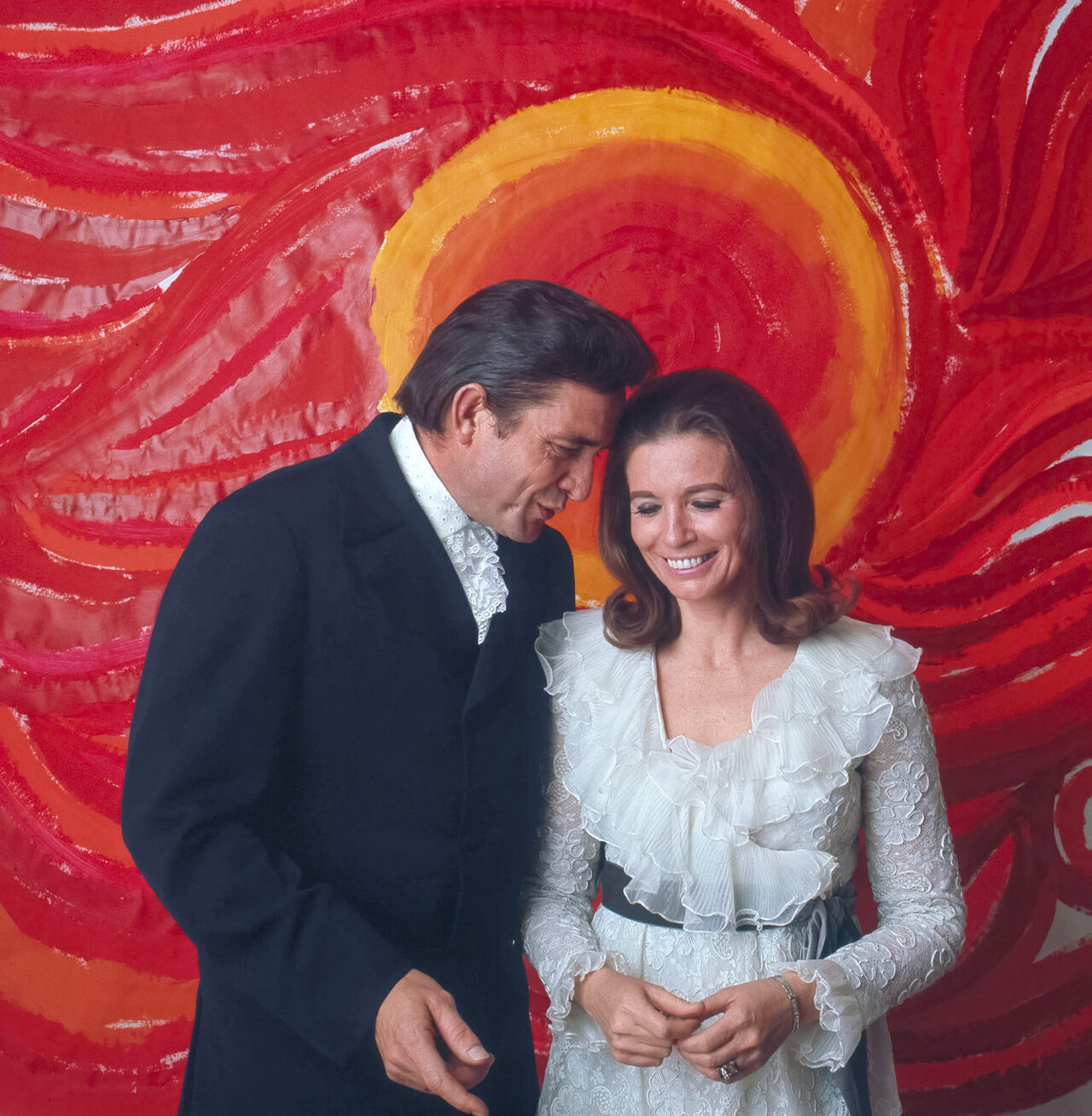
Johnny landed a recording contract with Sun Records after marrying Vivian Liberto in 1954, following a European stint in the Air Force. Hits such as “Cry, Cry, Cry” and “I Walk the Line” made him a favorite with fans, including June, who was part of one of country music’s founding families, the Carters.
“My daughter used to love ‘Folsom Prison Blues.’ I’d rock her to sleep, dancing to it with her in my arms,” June, who left first husband Carl Smith right before she met Johnny, told Closer.
Complicated feelings for the married man tortured June, but it also provided her with legendary musical fodder. Falling in love with Johnny was “the most painful thing I’ve ever gone through,” she added, and giving in to her desire was like “being in a ring of fire — and I’m never coming out.” Those tortured emotions inspired her to write “Ring of Fire,” which Johnny released in 1963.
The pair performed together on cross-country tours, growing closer despite Johnny’s life with Vivian and their four daughters. June also had an ill-fated second marriage to Edward “Rip” Nix from 1957 to 1966, which gave her another daughter. It wasn’t until Vivian divorced Johnny in January 1968 for alleged extramarital affairs and drug use that he proposed to June repeatedly, until she finally accepted on Feb. 22, 1968, onstage in front of 7,000 fans.
Life wasn’t a simple happily-ever-after from that point on. “I have a terminal disease called chemical dependency,” Johnny said to The New York Times of his years-long battle with drugs and alcohol. “There is that beast in me. And I got to keep him caged, or he’ll eat me alive.”
With great patience — and forgiveness — from June, Johnny eventually had a spiritual awakening and recommitted himself to his Christian faith. He’d later pursue a degree in theology, become an ordained minister and befriend the Rev. Billy Graham.
He’d slip up occasionally through the years, but June’s love never wavered and she always supported him, like when he entered the Betty Ford Center in 1983. “The fact she always stood by him is a real testament toward their feelings for each other,” J.J. Blair, producer of June’s 1999 album, Press On, told Closer. “What I find most inspiring is that they had issues, but they continued to work through them and they stayed committed.”
Rosanne, Johnny and Vivian’s eldest daughter, knew how much of a soulmate her father had in June. “Her great mission and passion was lifting up my dad,” Rosanne, 70 said, per Billboard. “If being a wife were a corporation, June would have been the CEO,” she added, per BBC. “She began every day by saying, ‘What can I do for you, John?’ Her love filled up every room he was in.”
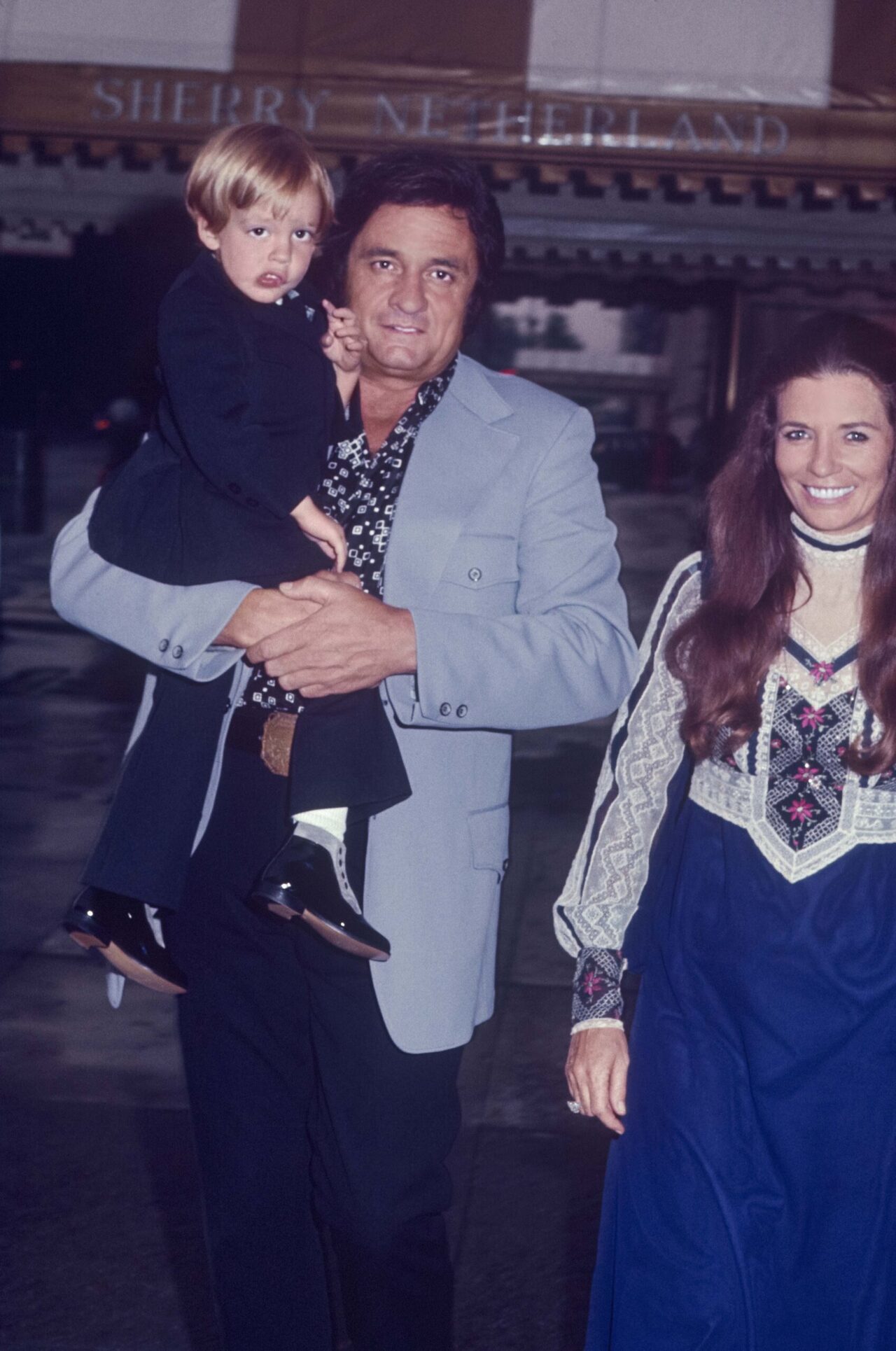
Johnny’s gratitude was bountiful, and John Carter recalls his dad’s often mushy ways of showing it. “He would always make her a personal Valentine out of construction paper,” he told Closer. Chris Gantry, a songwriter friend of Johnny’s, added: “Johnny was a great gift giver. He always thought of June and gave her many things. She was the love of his life.”
Their feelings never waned, evidenced by a letter Johnny penned in 1994 that was recently named the most romantic letter of all time. “You still fascinate and inspire me,” he wrote to June for her 65th birthday. “You influence me for the better. You’re the object of my desire, the #1 Earthly reason for my existence.”
While Johnny once joked the secret to their long relationship was “separate bathrooms,” John Carter says his parents’ true gift was their commitment to each other, for better or worse. “They were long-suffering, always forgiving, open-minded, willing to look over past pains,” he said, per JohnnyCash.com. “As a result, their love lasted a long time.”
June’s 2003 death at 73, from complications after a heart-valve surgery, tested Johnny’s faith. “He had a strong spirit, but it was the hardest thing he probably ever faced in his life,” Kristofferson, a family friend, once told Closer. “His kids told me he cried all the time at night.”
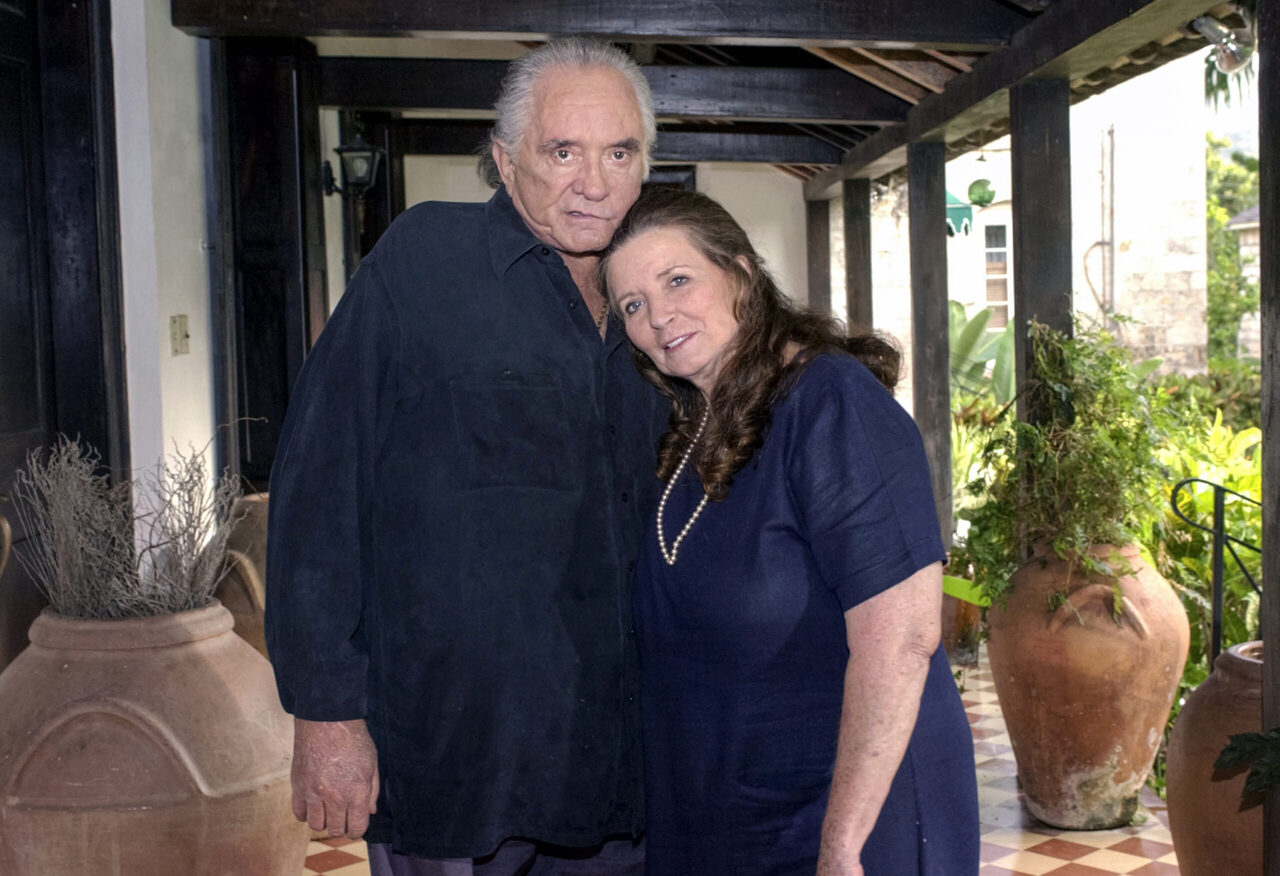
When Johnny succumbed to diabetes complications at 71 just four months after June’s death, many said her loss was to blame.
“I think Dad died with a broken heart, but I don’t think it killed him,” John Carter said via Rolling Stone, insisting that their love will live on eternally through their music. “That was their heart’s connection,” he added, naming “Far Side Banks of Jordan” as one of their favorite songs to sing. They recorded it together four years before they both passed.
“John had been in a coma for two weeks shortly before we recorded it,” J.J. Blair recalled to Closer. “In it, June sings, ‘If it proves to be His will that I am first to cross … when it comes your time to travel likewise, don’t feel lost / For I will be the first one that you’ll see.’ When they sang the last line together — ‘When I see you coming, I will … come running through the shallow water, reaching for your hand’ — they held each other’s hands at that moment. Everyone cried. So after June died, I put that song on and it was prescient. They had an amazingly deep love that was just unquestionable.”
John Carter agreed, telling Closer their bond was solid until their last days together. “My parents were as much in love as they had ever been. Their relationship was unbreakable as hardened steel. They were truly as one, as much a single being as any two people can be.”